
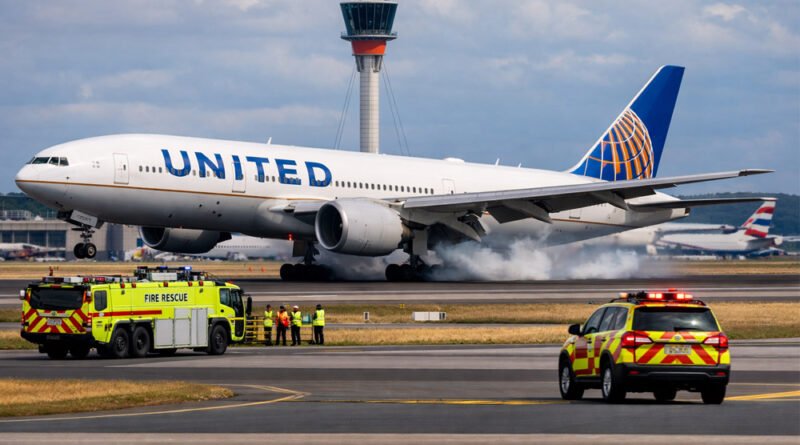
Everything About United Airlines Flight UA770 Emergency Diversion
The emergency diversion of United Airlines Flight UA770 attracted significant attention from passengers, aviation enthusiasts, and travelers worldwide. Whenever a commercial aircraft unexpectedly changes its route and lands at an alternate airport, concerns naturally arise regarding passenger safety, technical issues, and operational procedures. In the case of United Airlines Flight UA770, the emergency diversion highlighted the airline industry’s strong commitment to safety and demonstrated how flight crews are trained to respond quickly and effectively when unexpected situations occur during a journey.
What Happened to United Airlines Flight UA770?
United Airlines Flight UA770 was operating a scheduled service when the flight crew identified a situation that required immediate attention. Following established aviation safety protocols, the pilots decided to divert the aircraft to a suitable airport rather than continue toward its original destination. Emergency diversions can occur for several reasons, including technical concerns, medical emergencies, severe weather conditions, unusual cabin situations, or other precautionary safety measures.
Timeline of the UA770 Emergency Diversion
During the flight, the crew detected an issue that warranted additional caution. After assessing the situation, pilots coordinated with air traffic control and selected an alternate airport for landing. The diversion was carried out according to standard aviation procedures, ensuring passenger and crew safety remained the top priority throughout the event.
Why Was United Airlines Flight UA770 Diverted?
Airlines may divert flights for a variety of reasons, including mechanical warnings, passenger medical emergencies, weather disruptions, or operational concerns. While the exact circumstances can vary, the decision to divert is always based on safety considerations. Aviation professionals are trained to act proactively whenever a potential issue arises.
How Pilots Manage Emergency Diversions
Commercial pilots undergo rigorous training to prepare for emergency situations. During a diversion, pilots communicate continuously with air traffic controllers, airline dispatchers, and cabin crew members. They evaluate weather conditions, airport facilities, runway availability, and aircraft performance before selecting the safest alternative airport.
Passenger Experience During the Flight Diversion
Passengers aboard United Airlines Flight UA770 experienced an unexpected interruption to their travel plans. Although diversions can cause delays and inconvenience, airlines typically provide assistance and updates throughout the process. Cabin crew members help keep passengers informed while ensuring comfort and safety during the unscheduled landing.
Safety Protocols Followed During the UA770 Incident
Modern aviation operates under strict international safety regulations. Aircraft are equipped with advanced monitoring systems that continuously track critical functions such as engines, navigation equipment, and cabin conditions. If any irregularity is detected, crews may choose to divert the flight as a precautionary measure to avoid potential risks.
The Role of Air Traffic Control in Emergency Diversions
Air traffic controllers play a vital role during emergency situations. They assist flight crews by providing routing guidance, priority landing clearance, and coordination with airport emergency services when necessary. Their support helps ensure that diverted aircraft can land safely and efficiently.
Aircraft Inspection After the Emergency Landing
After an emergency diversion, maintenance specialists thoroughly inspect the aircraft to identify and resolve any issues. Engineers examine mechanical systems, electronic components, and safety equipment before determining whether the aircraft can safely return to service.
Impact of Flight Diversions on Airline Operations
Emergency diversions often affect flight schedules, passenger connections, and aircraft availability. Airlines work to minimize disruptions by arranging alternative transportation, rebooking passengers, and coordinating operational resources. Although diversions may create temporary inconveniences, they are an essential part of maintaining aviation safety standards.
Lessons Learned from United Airlines Flight UA770
The United Airlines Flight UA770 emergency diversion demonstrates the effectiveness of modern aviation safety procedures. It highlights the importance of proactive decision-making, professional crew training, and coordinated teamwork between pilots, controllers, maintenance personnel, and airline operations staff.
Frequently Asked Questions About United Airlines Flight UA770
Was United Airlines Flight UA770 involved in an emergency?
Yes, the flight was diverted as a precautionary safety measure after the crew identified a situation requiring attention.
Are emergency diversions common?
While not everyday occurrences, emergency diversions are a standard safety procedure used throughout the aviation industry.
Was passenger safety at risk?
Flight diversions are specifically designed to reduce risks and ensure the safety of everyone on board.
What happens after a flight diversion?
The aircraft undergoes inspection, passengers receive assistance, and the airline reviews the incident according to safety procedures.
Conclusion
The United Airlines Flight UA770 emergency diversion serves as an excellent example of aviation safety in action. While unexpected diversions can disrupt travel plans, they reflect the industry’s commitment to protecting passengers and crew members. Through advanced technology, comprehensive training, and strict safety protocols, airlines continue to maintain one of the safest transportation systems in the world. The UA770 incident reinforces the importance of precautionary action and demonstrates how aviation professionals effectively manage unexpected situations.